
Select Your Region
Region-Based Optimized Content
What Is The Difference Between On Page And Off Page SEO?
Learn the difference between on-page and off-page SEO in simple terms, and how each helps improve your website's visibility and rankings on search engines


SEO is an optimizing technique for your website and way to getting a good search rank by using a set of keywords. But there are two main types of SEO named on page SEO and off page SEO. On page SEO is the art of improving the contents of a website such that it becomes sociable to the search engines. This procedure contains the optimization of tags, images, URL structure, headers, internal links Etc.
In simple words, on Page optimization is what can be done on the web pages in order to create it more search engine friendly to realize decent search engine ranking.
There are a number of different mechanisms involved with "on-page SEO," since they relate to the creation and design of your firm's website pages. The goal is to create these mechanisms in such a way as to be search-engine friendly. The main "on-page SEO" mechanisms are listed below:
- Page title
- URL structure
- Domain information
- Meta description
- Headings
- Cascading Style Sheets
- Images and pictures
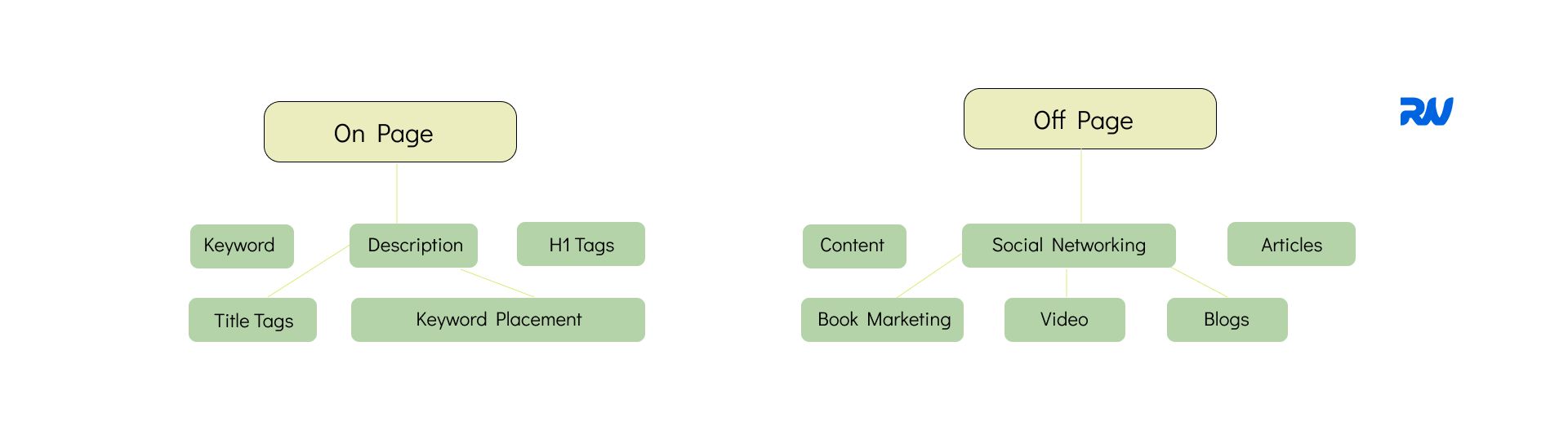
The search engine spiders assess not only how many links are indicating to your site, but also the quality of those links. There are many tactics you can work for “off-page SEO,” all of them planned to create attentiveness in and traffic for your site.
The on page SEO deals largely with elements on your site, which can be improved for the search engines. On-Page optimization can be helpful at first as you are expecting for decent positions for your website or blog and can be essential when you are near to attaining that eventual position in Google ranking. But all through the method of getting your site to number one position, you should have to pay close devotion to on-site optimization.
These are all the things you need to do to help your site become more significant and gain more ability in the search engines for your position. The main fragment of this is linked to the structure of your website and the way it is designed & coded in HTML Etc. Important aspects of this are meta descriptions, H1 tags, title tags, other Header tags and ALT tags on images on every page or post on your website.
The practice of Search Engine Optimization is defined in two parts: on page SEO and off page SEO. On page SEO refers to the design and content parts of a particular website. The technique a website is written and arranged out significantly touches the relevancy and optimization of supposed site. A well optimized website will have well written, exclusive content that appeals to the reader & covers appropriate info and keywords. On the other side, a poorly optimized website will slip probabilities to upsurge its search engine rankings.


Hi, my name is Anupama, let's talk about your business needs.
I will do my best to find a reliable solution for you!
At Redefine Webs, We ensure both varieties of optimizations according to the requirements of the website. We always advise, do both on site and off site search engine optimization to confirm that you get the best of both of the foremost SEO modules. Remember SEO never expires and the more you do, the better your sites will rank in the search engines. If You are looking best digital marketing agency for the result oriented experiences, we are always available to offer our qualitative SEO services at very affordable price.
Frequently Asked Questions
Find answers to the most common questions about What Is The Difference Between On Page And Off Page SEO?
On-page SEO focuses on optimizing elements within your website, such as content, page titles, headings, URLs, meta descriptions, images, and internal links. Off-page SEO focuses on activities outside your website, particularly building quality backlinks and increasing your website’s authority and visibility.
On-page SEO is the process of optimizing individual web pages to make them more search-engine friendly. It includes optimizing content, keywords, title tags, meta descriptions, headings, URLs, images, and other elements of a webpage.
Key on-page SEO elements include page titles, URL structure, meta descriptions, headings such as H1 tags, relevant and unique content, image optimization and ALT tags, internal links, and the overall HTML structure of the website.
Off-page SEO refers to activities performed outside your website to improve its search engine visibility and authority. Quality backlinks and other external signals can help search engines determine the relevance, credibility, and popularity of a website.
Yes. On-page and off-page SEO work together to improve a website’s search engine performance. On-page SEO ensures that the website and its content are properly optimized, while off-page SEO helps build authority and increase visibility through external signals such as quality links.
News & Insights
We like to share our thoughts on topics we find inspiring. Explore our news and insights.

Headless CMS vs Traditional CMS: Which Is Better for Content-Heavy Websites?
Compare Headless CMS vs Traditional CMS for content-heavy websites and understand the differences in performance, scalability, SEO, security, content management, and omnichannel delivery.
5 Signs Your Website Is Already Outdated Even If It Looks Fine
Learn the 5 key signs your website is already outdated, including poor AI readability, weak mobile performance, slow loading speeds, confusing CTAs, and security risks.